There is a specific frustration that comes with trying to buy art on a platform built around engagement metrics. You scroll, the algorithm serves you what it thinks will make you keep scrolling, and twenty minutes later you have liked forty things and bought nothing. The feed was optimised for your attention, not your decision.
Picster is built around a different premise: that buying a piece of art is a considered act, not an impulse click, and the interface should reflect that.
The human-curated queue
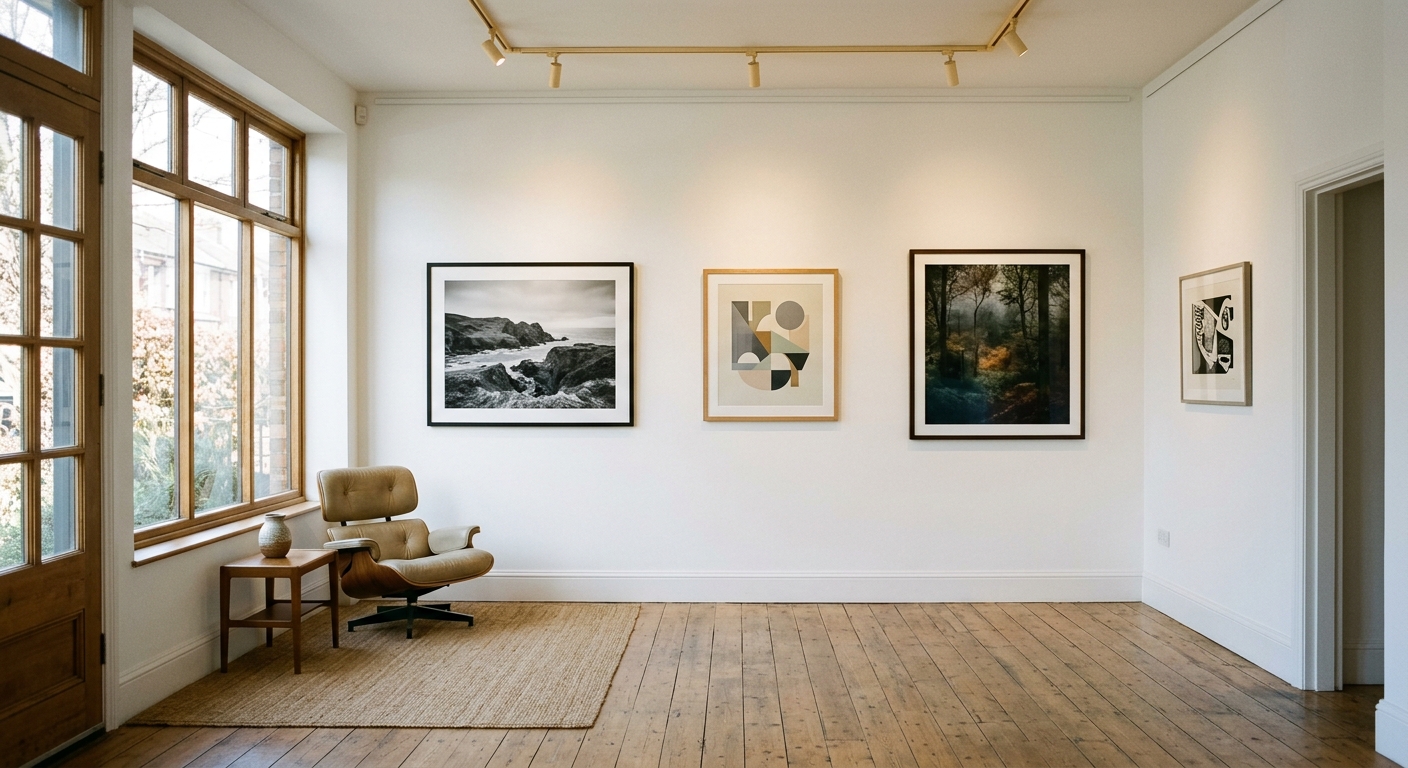
Instead of an algorithmic feed, Picster runs a featured queue that a small editorial team reviews by hand. Works are assessed on image quality, originality, and whether they represent something a buyer could not easily find elsewhere. Nothing in the featured section is there because an artist paid for placement or because an engagement score pushed it up. It moves more slowly than an algorithm would — and that is deliberate.
This does not mean undiscovered work stays hidden. Artists can upload and list immediately. The curation layer sits on top of that, giving buyers a curated starting point rather than a firehose.
How the pricing actually works
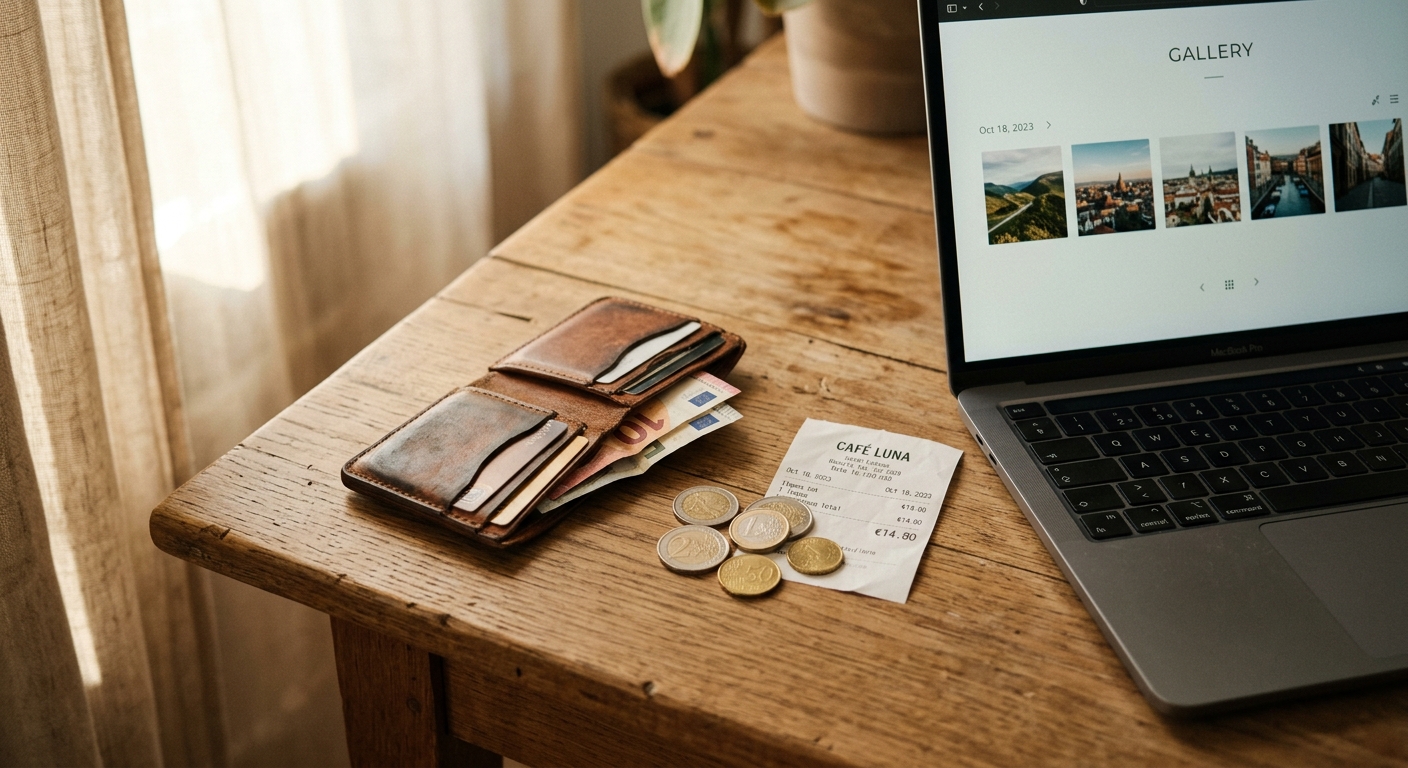
Picster uses credits as its internal currency. One credit costs €0.15, and that Euro price is the source of truth. If you are buying in Australian dollars, New Zealand dollars, or any other currency, the price you see is converted from EUR at the live exchange rate at the time of your purchase — no fixed markups, no stale rates baked in months ago.
There is no subscription. You top up with exactly what you want to spend, and credits do not expire. For buyers this means no monthly fee quietly renewing while you are not using the platform. For artists it means buyers who do arrive have made an active choice to be there with real money already in their account.
The commission structure is a flat 50% to the artist on every sale. There are no tiered rates, no bonuses for high-volume sellers, no penalties for new accounts. When a sale clears, the earnings sit in the artist's in-app wallet. Payout is requested directly from the wallet — the artist initiates it, there is no waiting for an arbitrary monthly batch if your balance is ready.
What this means for discovery
The honest case against infinite feeds for art is not philosophical — it is practical:
- A feed optimised for time-on-site will surface work that provokes a reaction, which is not the same as work that rewards living with.
- Algorithmic ranking tends to compound existing popularity, making it harder for newer artists to surface without gaming the system.
- Buyers who arrive tired from scrolling make worse decisions and are more likely to feel buyer's remorse.
A curated queue with a sensible credit system and no subscription pressure puts the buyer in a different mental state. They are browsing with intention. That is better for the artist whose work actually sells, and it is better for the buyer who ends up with something they still want on their wall in three years.
We are a small team and the platform is not perfect. But the choice to not build an infinite scroll was not an oversight — it was the first design decision we made.