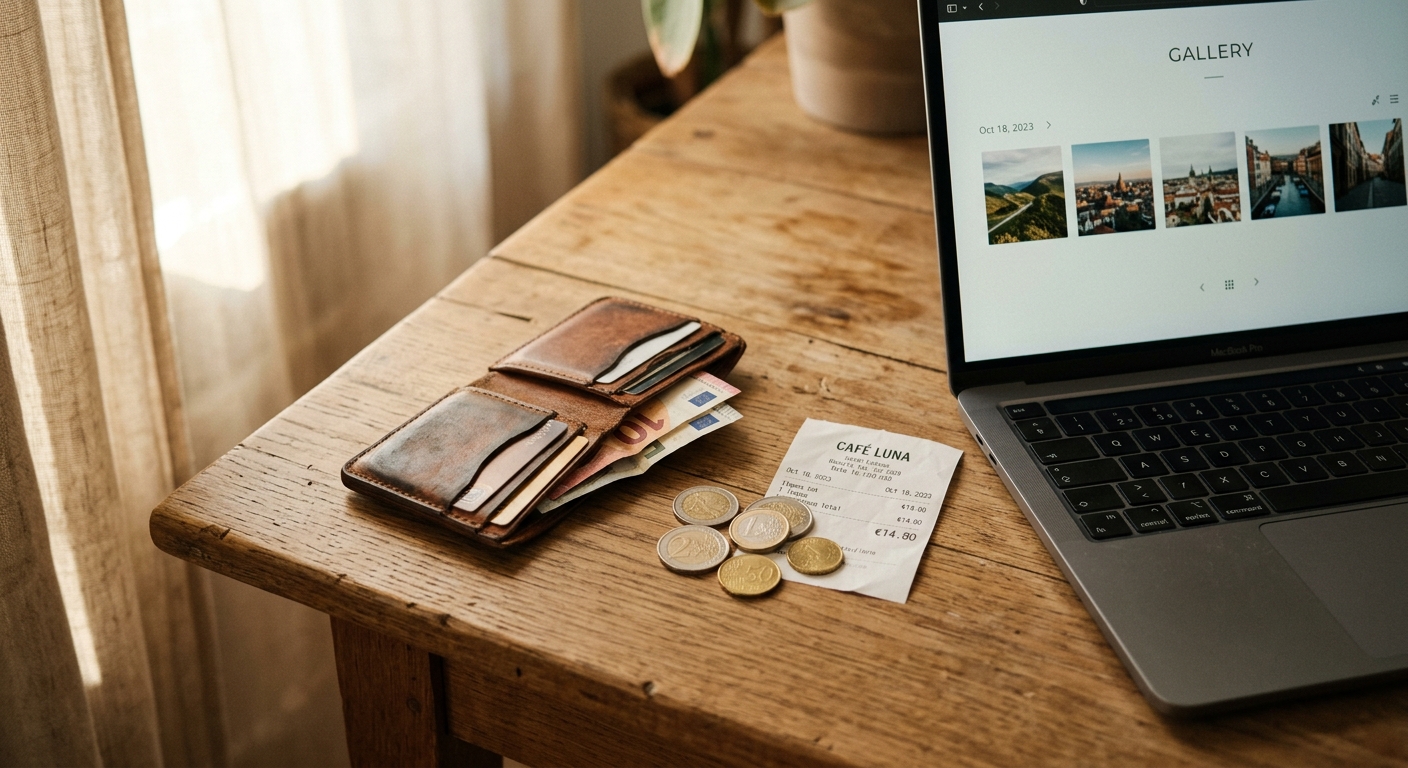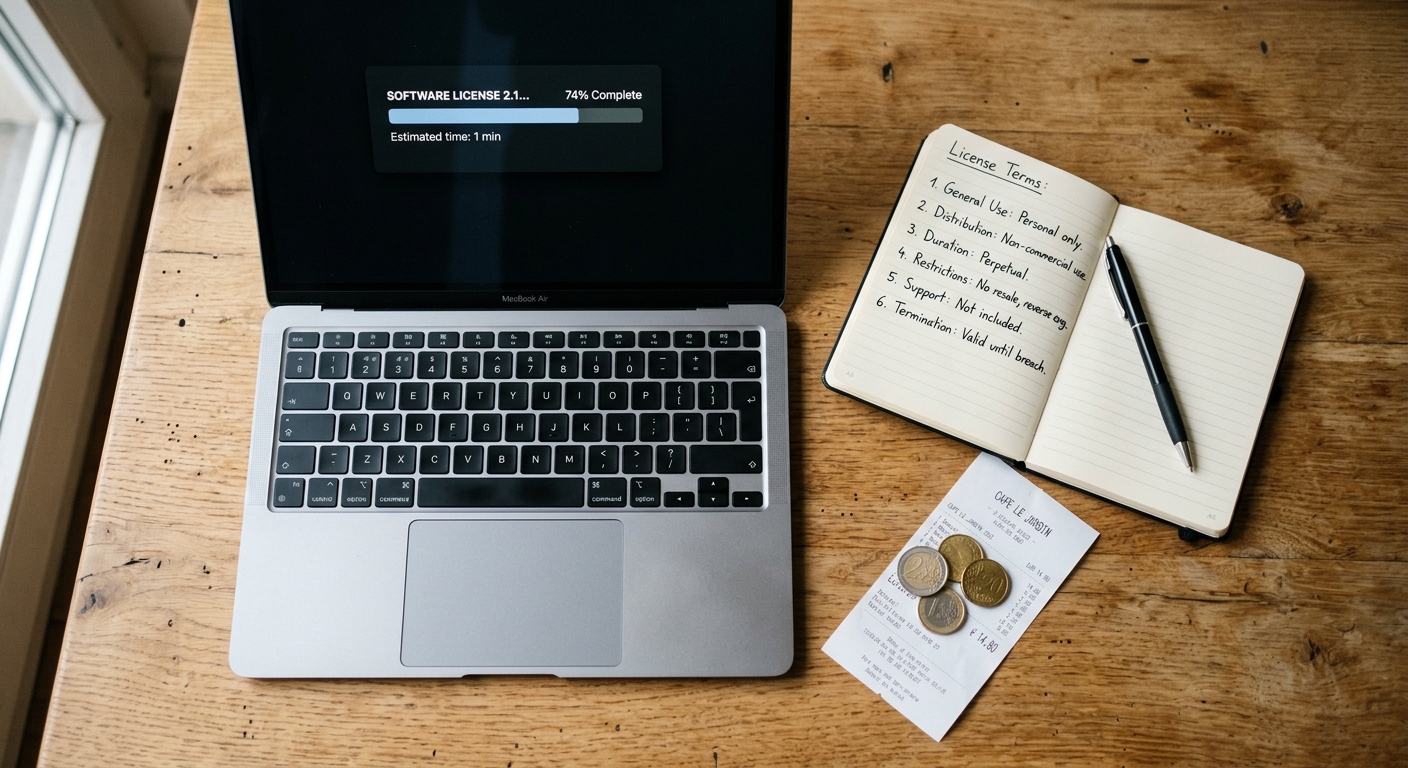

If a platform makes most of its revenue from ads, promoted listings, or monthly subscriptions, it gets paid whether you sell anything or not. That shapes every decision the product team makes, usually in ways that are not great for artists or buyers.
Picster is built around a different arrangement. We take 50% of each sale. That sounds stark written plainly, but it means our income is exactly zero until a buyer pays for something. There is no subscription pulling money out of your account on a quiet month, and no ad slot we can sell to push your work further down the page.
What a flat commission actually changes
When the only way we earn is on completed sales, curation matters more than volume. A featured queue stuffed with low-quality work does not help us — it just reduces the chance that a buyer finds something worth buying. So the featured queue at Picster is reviewed by a person, not ranked by who paid for a boost. You either make the cut or you do not, based on the work itself.
The base currency on the platform is the Euro, and one download credit costs €0.10. Buyers in other countries — Australia, the US, wherever — pay in their local currency converted from EUR at the live exchange rate at the time of purchase. There is no markup on that conversion. Credits are bought in one-off top-ups, so a buyer purchases what they need and stops. We are not trying to lock anyone into a recurring charge they forget about.
How payouts work
Earnings sit in your in-app wallet. When you want your money, you request a payout from inside the app. It is not automatic on a fixed schedule that suits us more than you, and there is no threshold designed to be just out of reach. You can see your balance, request it, and move on.
This is a small thing operationally, but it reflects the broader point: the wallet is yours. We are holding it briefly, not treating it as a float.
What this does not fix
A commission model is not a magic solution. Fifty percent is a real cost, and artists should weigh that honestly against what the platform provides in return — hosting, discoverability, payment processing, and a buyer audience you would otherwise have to build yourself. If you already have a large direct audience and handle your own licensing, the maths may not favour selling here. That is a fair calculation to make.
What the model does do is align our incentives with yours in a way that subscription or attention-based platforms structurally cannot. We do better when your work sells. That is a simple constraint, and it quietly shapes a lot of the decisions we make about how the platform runs.